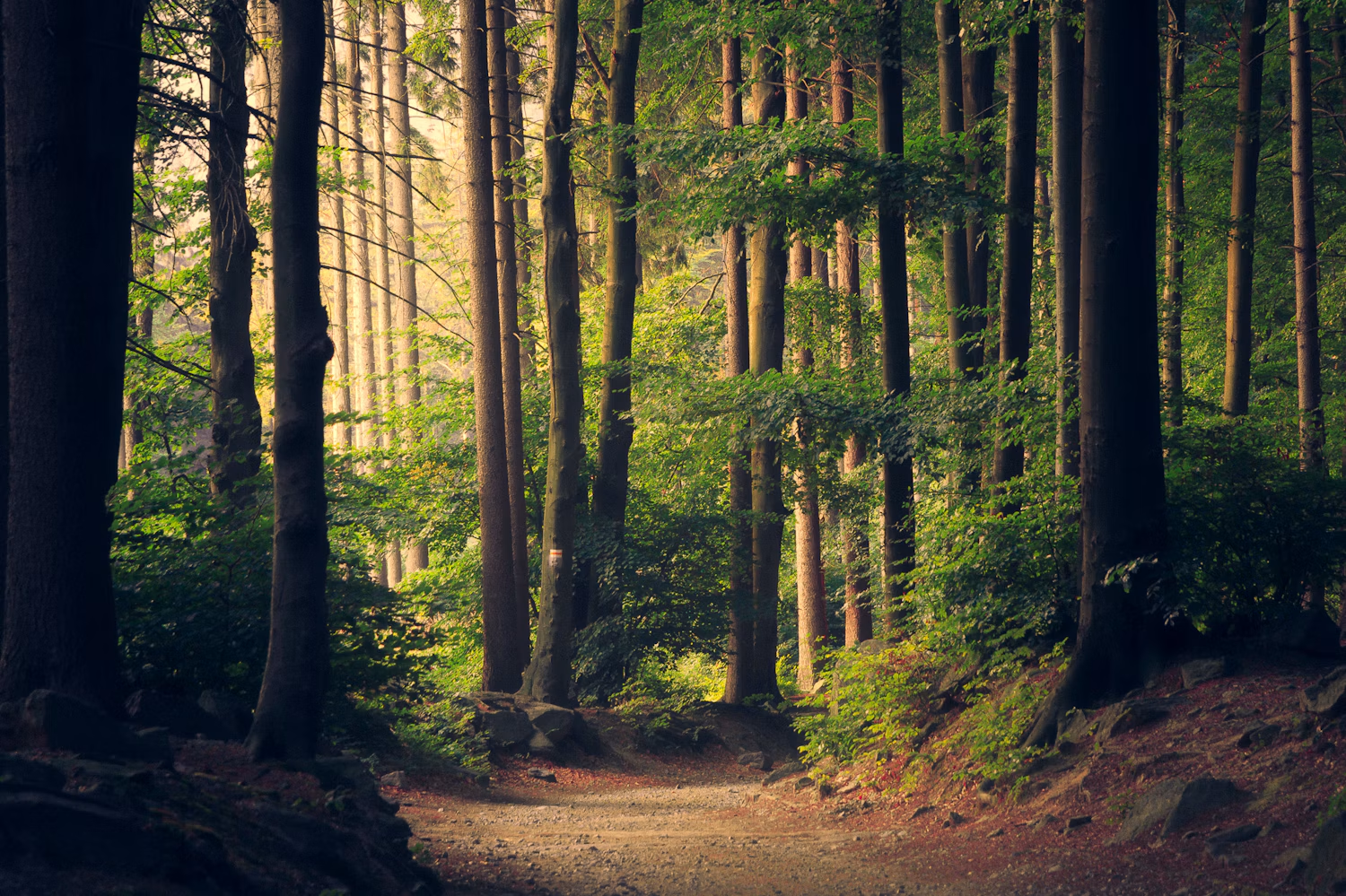
On a sunny day, the difference between standing beneath a tree and standing on an exposed pavement can be immediate. The shade feels cooler, and the surfaces beneath the canopy are often less heated by direct sunlight. Across a neighbourhood, many such small differences can influence how hot outdoor spaces become.
Shade changes the heat balance
Roads, roofs and walls absorb solar energy. Materials such as asphalt and many conventional roofing surfaces can become very hot when exposed to strong sunlight. A tree canopy intercepts some of that sunlight before it reaches the ground, reducing the amount of energy absorbed by shaded pavements, walls and other surfaces.
Shade is useful to people directly, too. It can reduce exposure to intense sunlight along walking routes, at bus stops and in outdoor gathering places. The position and spread of a tree matter: a canopy that shades a pavement or building at the hottest part of the day may provide a different benefit from one planted where it casts little useful shade.
Leaves release water into the air
Trees also cool their surroundings through evapotranspiration. They take up water through their roots and release water vapour from their leaves. Changing liquid water into vapour uses energy, which helps cool the surrounding environment. Evaporation from wet leaves and nearby soil can contribute as well.
This process depends on water availability, weather and the characteristics of the vegetation. During drought or extreme water stress, plants may reduce water loss, so the cooling effect is not constant in every season or location.
Why one tree does not cool every street equally
Local results depend on more than the number of trees. Canopy size, species, health, soil conditions, available water, street layout and the amount of surrounding hard surface all matter. A recent review of research on urban trees found that cooling performance varies with tree traits, spatial arrangement, climate and the temperature measure being studied.
It is also important to distinguish surface temperature from air temperature. A satellite may detect a very hot roof or road surface, but that reading is not the same as the temperature measured in the air at pedestrian height. Both can be useful, but they answer different questions.
Planting is only the beginning
Effective urban tree cover requires long-term care. Trees need enough room for roots and mature canopies, suitable soil, appropriate species selection and maintenance. In dry regions, water demand deserves particular attention: planting choices should fit local conditions rather than assume that every species will thrive with the same care.
Street trees, parks, planted courtyards and green roofs can all contribute to a cooler urban environment, but they are not interchangeable solutions. The best approach depends on the local climate and the places where people experience the greatest heat.
A practical way to think about urban shade
Look at a familiar route on a hot afternoon. Notice where shade falls, which waiting areas are exposed and whether trees have enough space and healthy soil to grow. These observations do not replace careful planning, but they help show why the location, condition and care of urban vegetation matter as much as planting numbers.
- U.S. Environmental Protection Agency — Benefits of Trees and Vegetation
- U.S. Geological Survey — Urban trees and cooling: A review of the recent literature (2018 to 2024), published 2025
- NASA — Can you explain the urban heat island effect?
- U.S. Environmental Protection Agency — Measuring Heat Islands
This explainer summarises general research and public guidance. Cooling effects vary by place, weather, vegetation and measurement method.